Education
Literacy is a tool, a facilitator, a door way to self-discovery, a passage which leads to the main stream of social and economic life. It cannot directly provide employment, meet the demands of hunger, nor can it provide shelter. Literacy however can be a dynamic force if it functions within in the context of a positive action programme for societal growth & improvement.
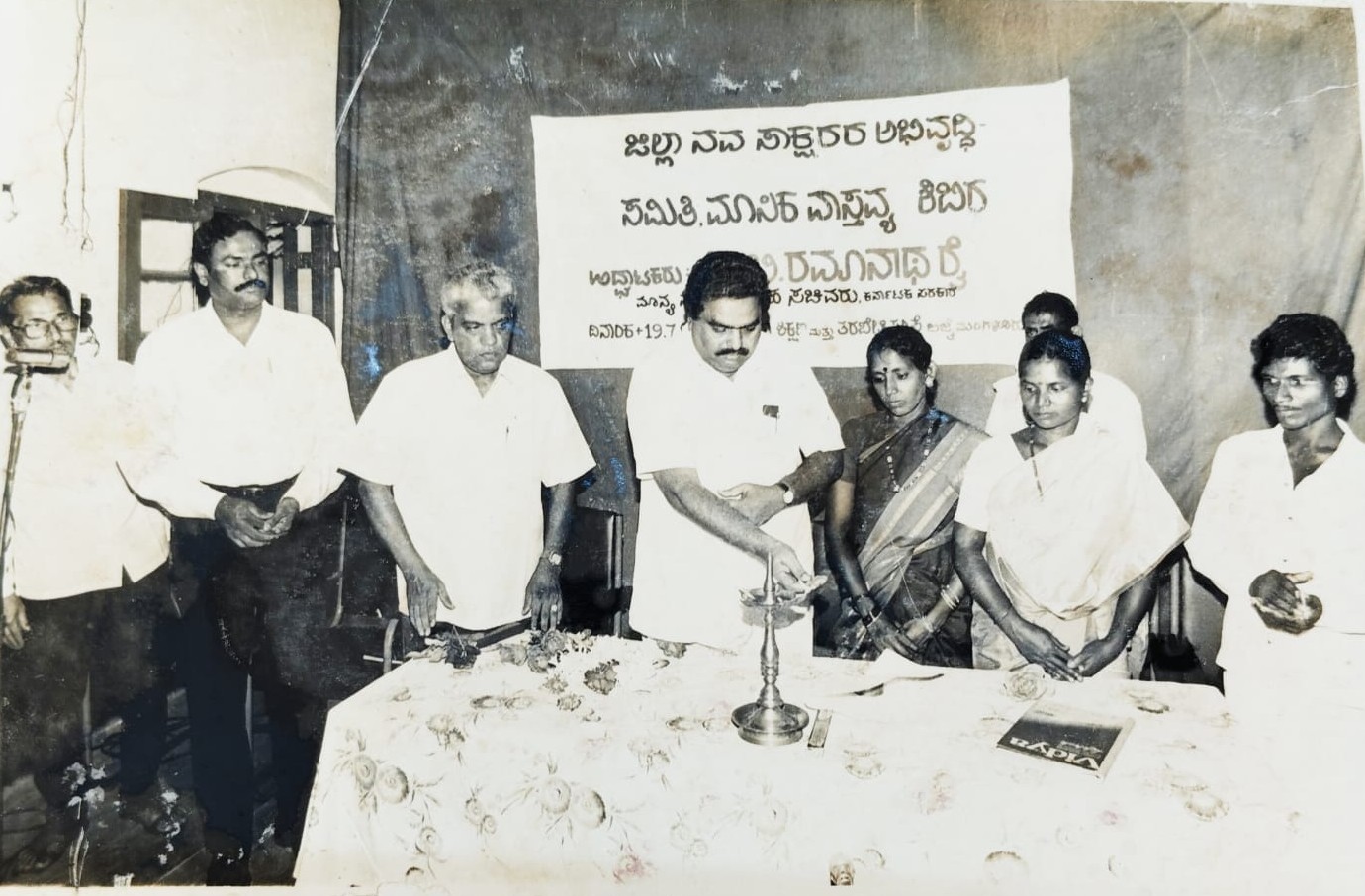
Total Literacy Campaign (TLC) was one among the 1st generation TLCs in India started in 1990. JST was a partner organisation of TLC of Dakshina Kannada District and later on had taken lead role to organise 1.64 lakh neo-literates emerged from this campaign through Neo-literates Development Samithi’s started from Mandal Panchayaths and its federations at taluk and district levels for collective actions and link literacy with economic improvement and need related activities.
Since 1991, large number of unknown women like Sumathi, Yashodha, Hajira, Kamala, Molly, Kathijamma, Gulabi, Seetha, Jainabi, Kunhakka have stepped out of the four walls to grow in stature and advance as leaders.
Madari Grama Vikasa Kendra
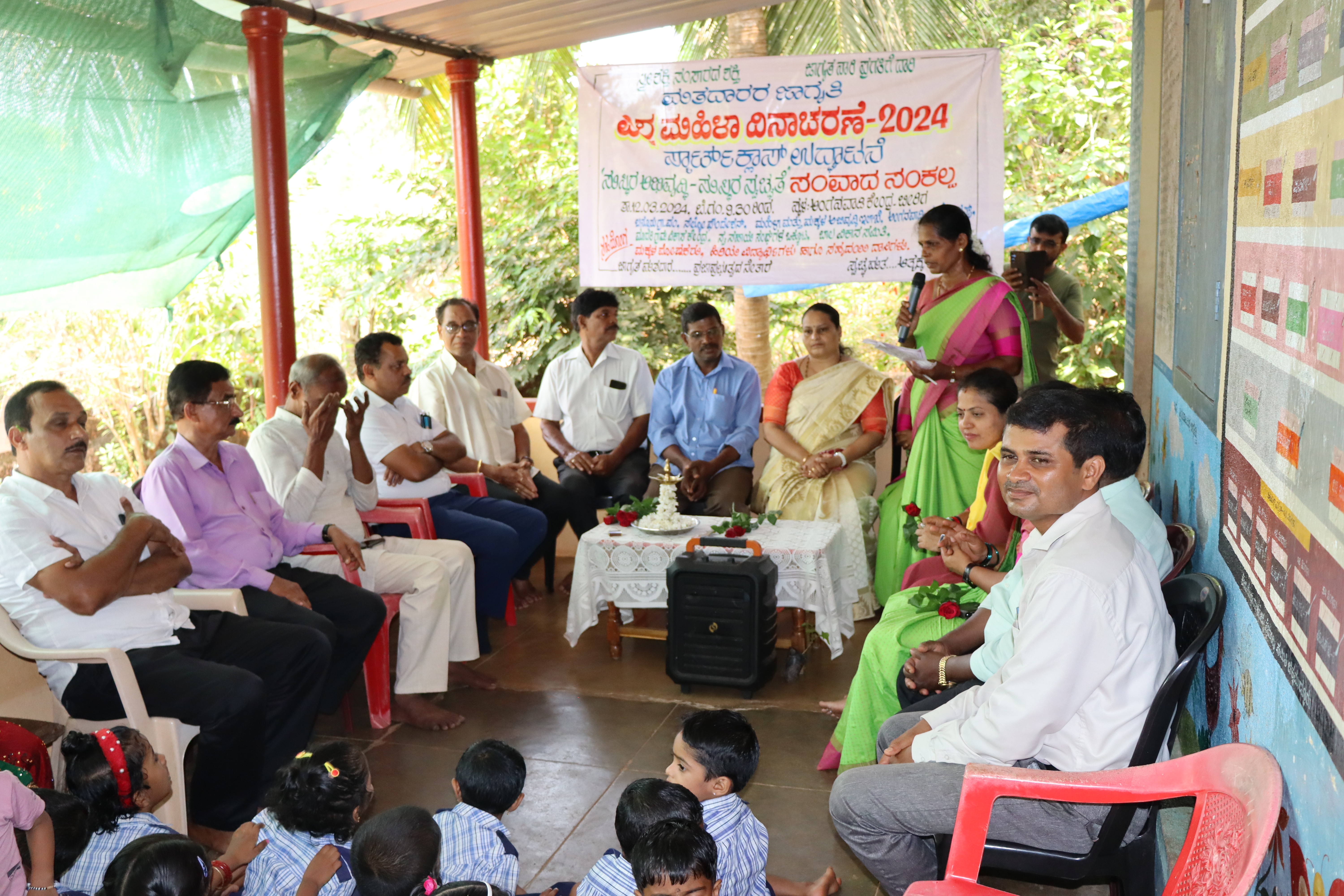
When the government terminated the Post Literacy programme in D. K. District, JST took the initiative to continue this programme as peoples programme by establishing Model Village Development Centres with the support of the Grama Panchayaths, which is recognised as an innovative unique model for the empowerment of the marginalised people by the National Literacy Mission. These model village development centres are running un interrupted.
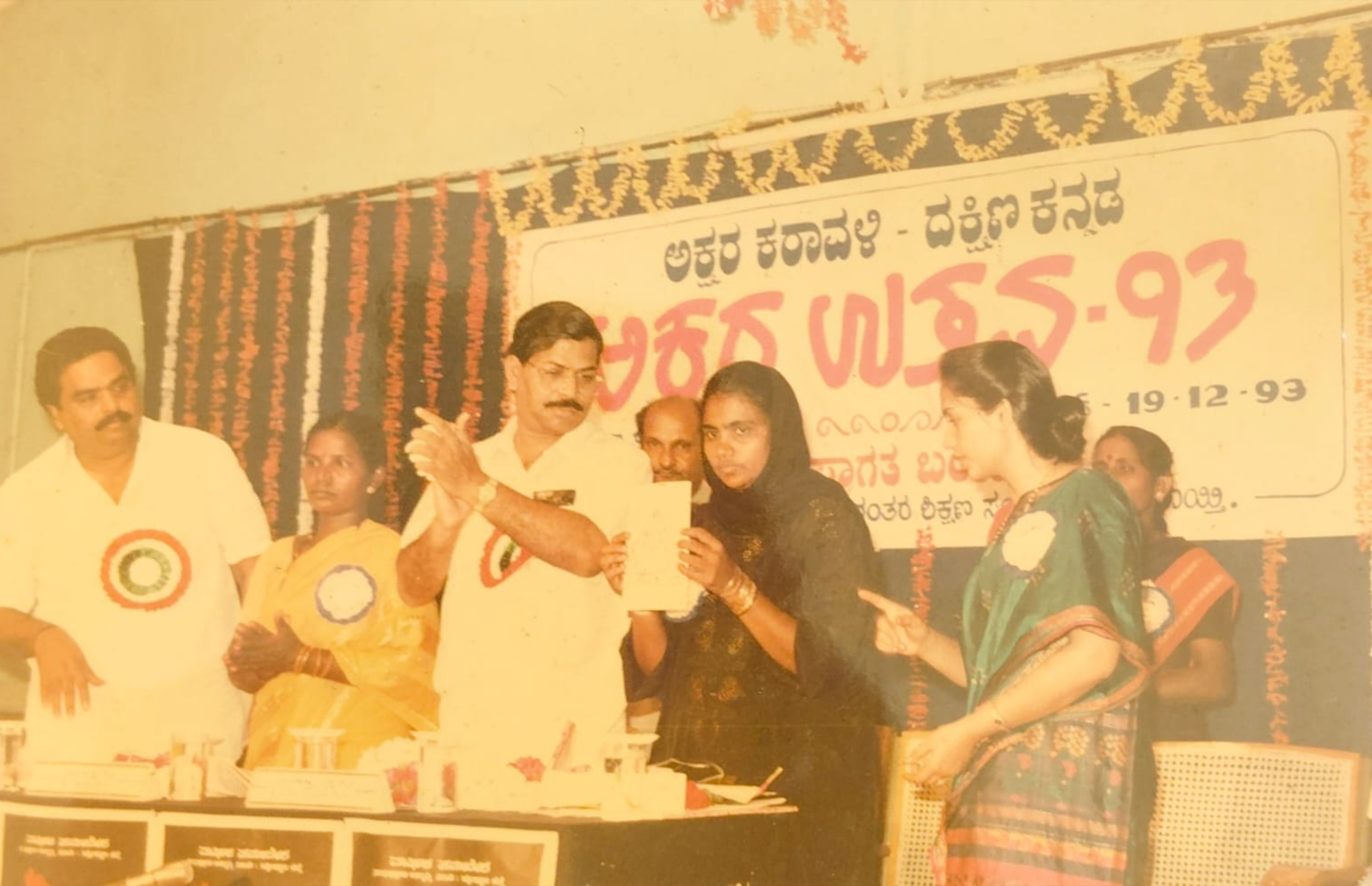
“Aksharotsava”
The Literacy Festival, popularly known as “Aksharotsava,” is a unique programme celebrated annually on December 19th since 1992. This event brings together former non-literates, primarily marginalized individuals who have gained literacy through the Total Literacy Campaign, to gather at the district level as one unified family, regardless of caste or religion. The day-long programme sees active participation from women across the district. It includes experience-sharing, interactions with district-level officers and people’s representatives, cultural performances, and discussions on various developmental issues such as sanitation, clean and green village promotion, alternative solar energy systems, water literacy, and gender equality.
A simple meal is collectively prepared at the event venue, and all participants dine together, fostering a sense of unity and brotherhood among them.
SiV (Skill in Village)
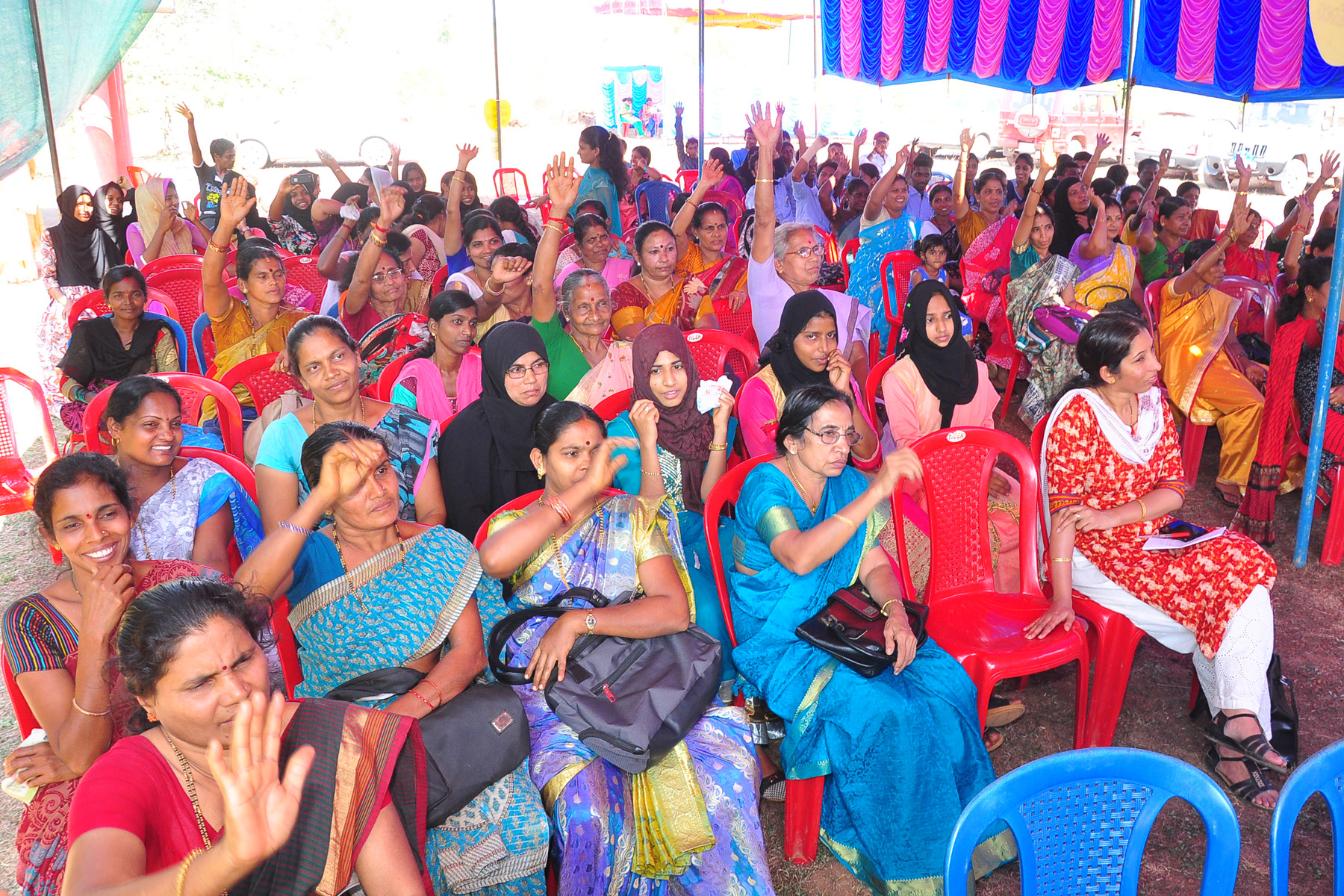
The SiV (Skill in Village) - English Communication and Life Skill program that was started in the year 2025 in government schools with the support of Mr. N.C. Murthy, Dr Jeevan, Fidelity Charitable and Desh Pande Education Trust is progressing well. It has been successful in flourishing the mind and enraging learning interest among the children.
A total of 17 government schools were selected for this project in Ullala and Putturu Taluks of Dakshina Kannada district, across these school’s 859 students were enrolled, including 475 girls and 384 boys, and a team consisting 17 Centre Resource Persons, one Cluster Trainer, one Cluster Head is facilitating the program across these schools.
The program follows an activity-based learning approach, using games, rhymes, and various interactive activities to make learning engaging and enjoyable.
Students enrolled were also provided with workbooks and learning kits. Lessons are designed around common themes and familiar settings such as family, school and surroundings, enabling students to relate learning to their daily lives.
Kalika Neravu’-Education Aid
It’s a timely intervention to prevent the discontinuation of education for not been able to pay the fee, have dress and other learning materials by the children of single parents, no parents, alcoholic fathers and other marginalised families. This is the joint programme of JST and ‘Chittara Balaga’. Under this programme, members of the Chittara Balaga mobilise the funds required to help such 25 helpless children every year identified through JST.
SMILE SKILL School
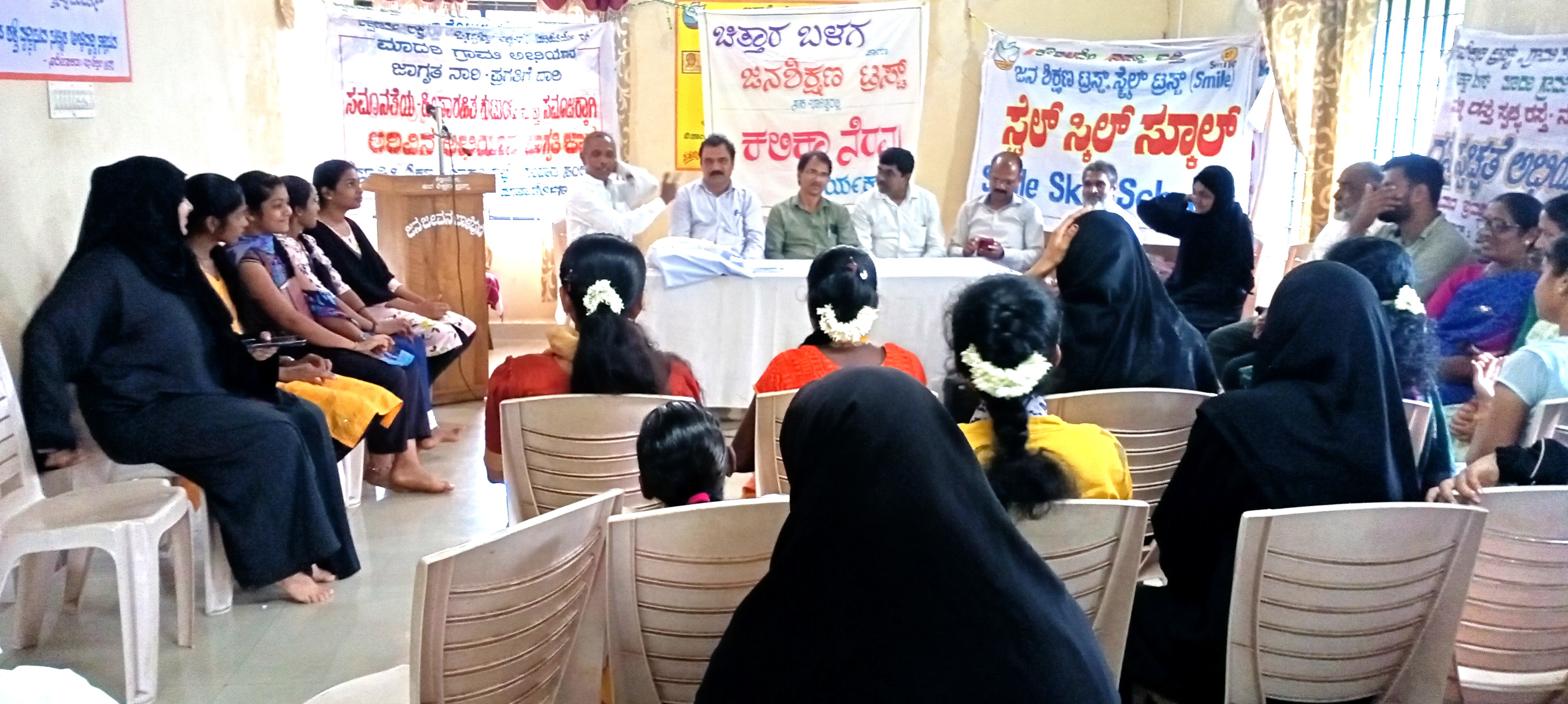
Through this centre, need-based skill training programmes are being organised to inspire and motivate marginalised individuals to pursue multiple income generating activities, ultimately increasing their family income.
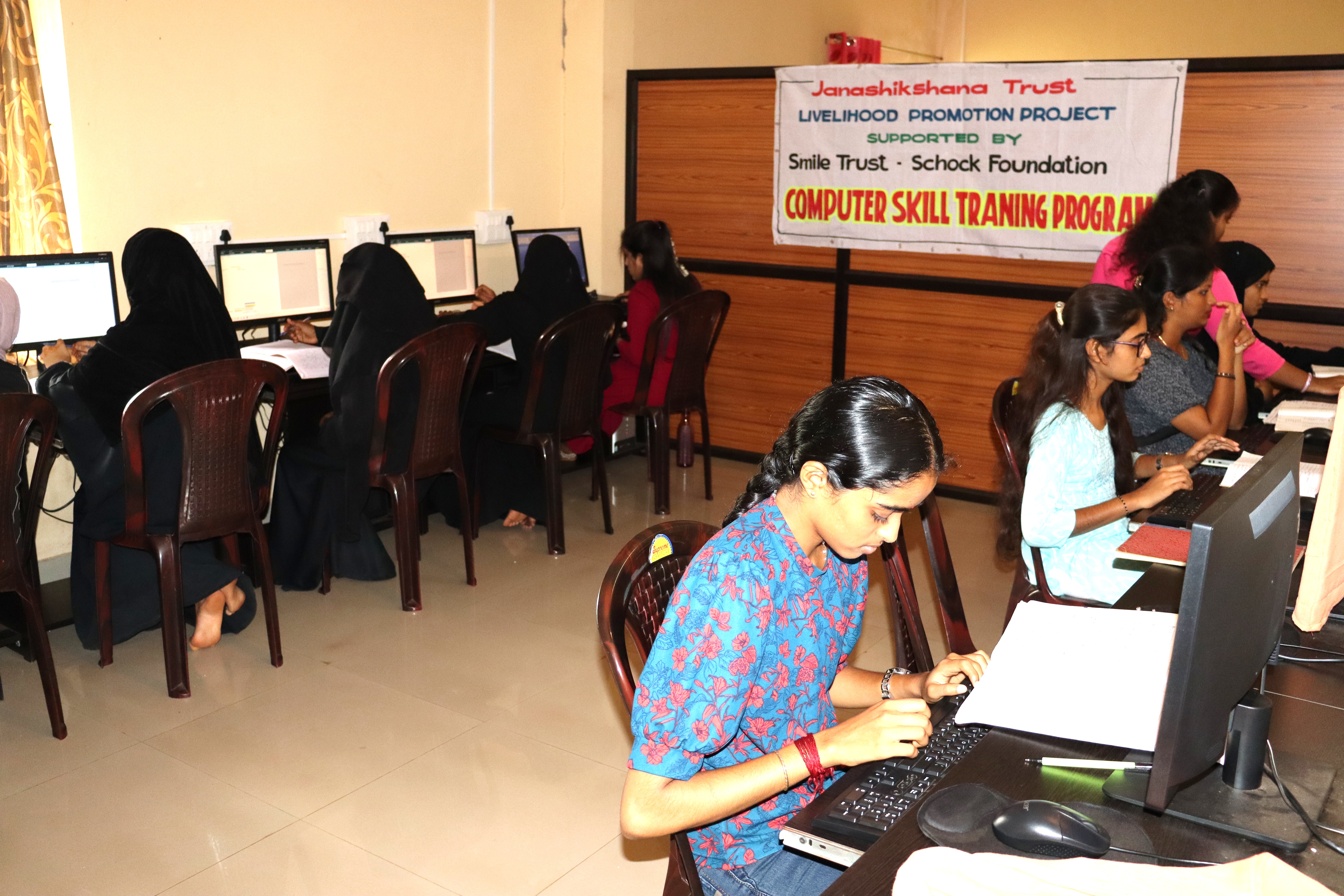
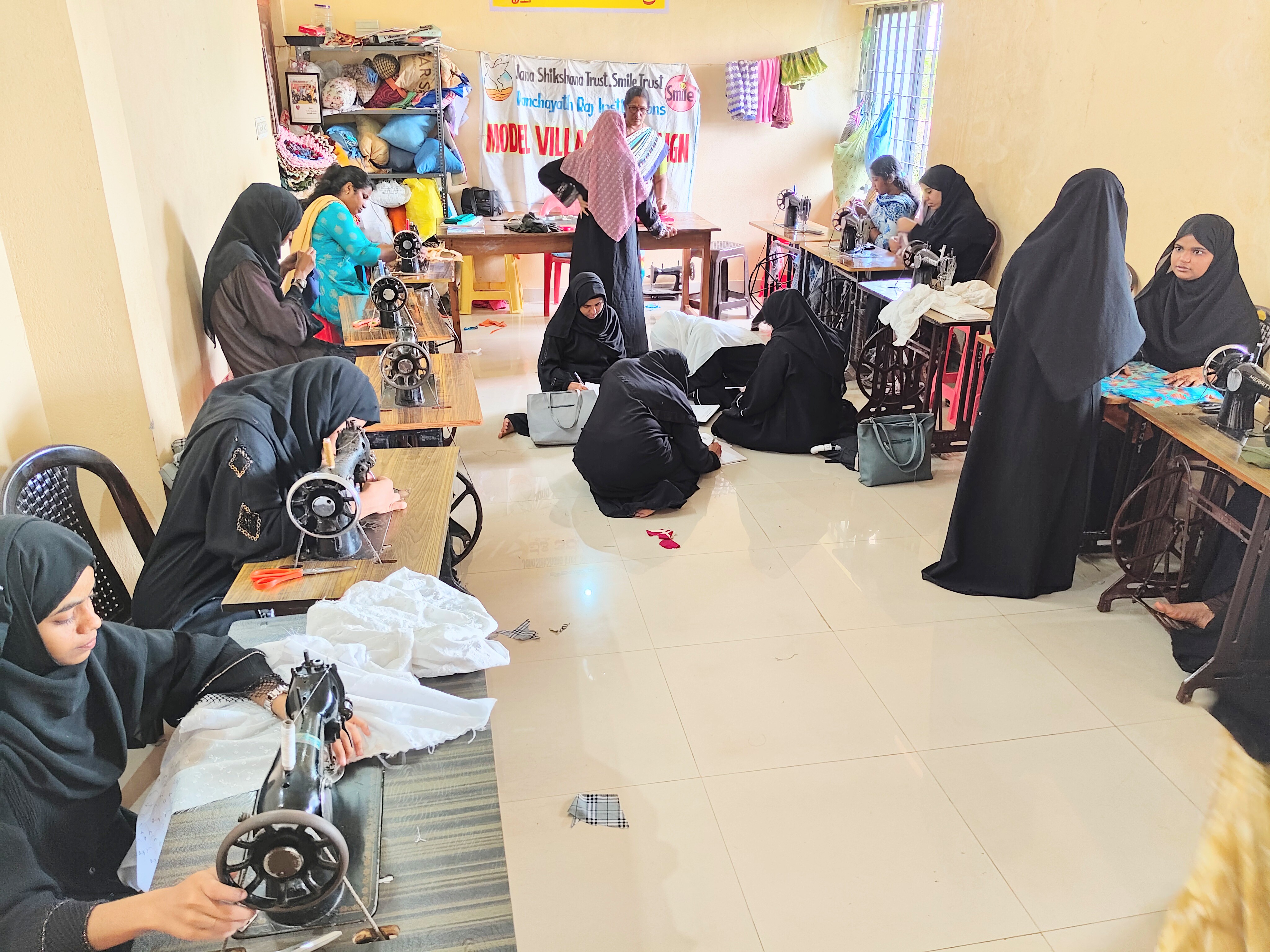
Training in computer application and sewing are another two key components of this Centre. The primary objective of this initiative was to promote employability among the unemployed youths of the project area, enabling them to secure jobs in establishments such as hospitals, shopping malls, and other commercial facilities in and around the region.
Accordingly, a three-month training course, both in computer application and sewing are being conducted for young individuals—prioritising the participation of women—between the ages of 18 and 35. A total of 1918 candidates were benefited so far from these trainings.
Sanitation
“Namma Kasakke Nave Hone” (We are responsible for our waste)
Sanitation is largely about attitude. Due to a wrong mindset, dumping plastic and other waste indiscriminately and resorting to open burning have become common practices. Unscientific disposal of waste has led to widespread environmental pollution—contaminating air, water, and soil—and poses a serious threat to both human and animal life.
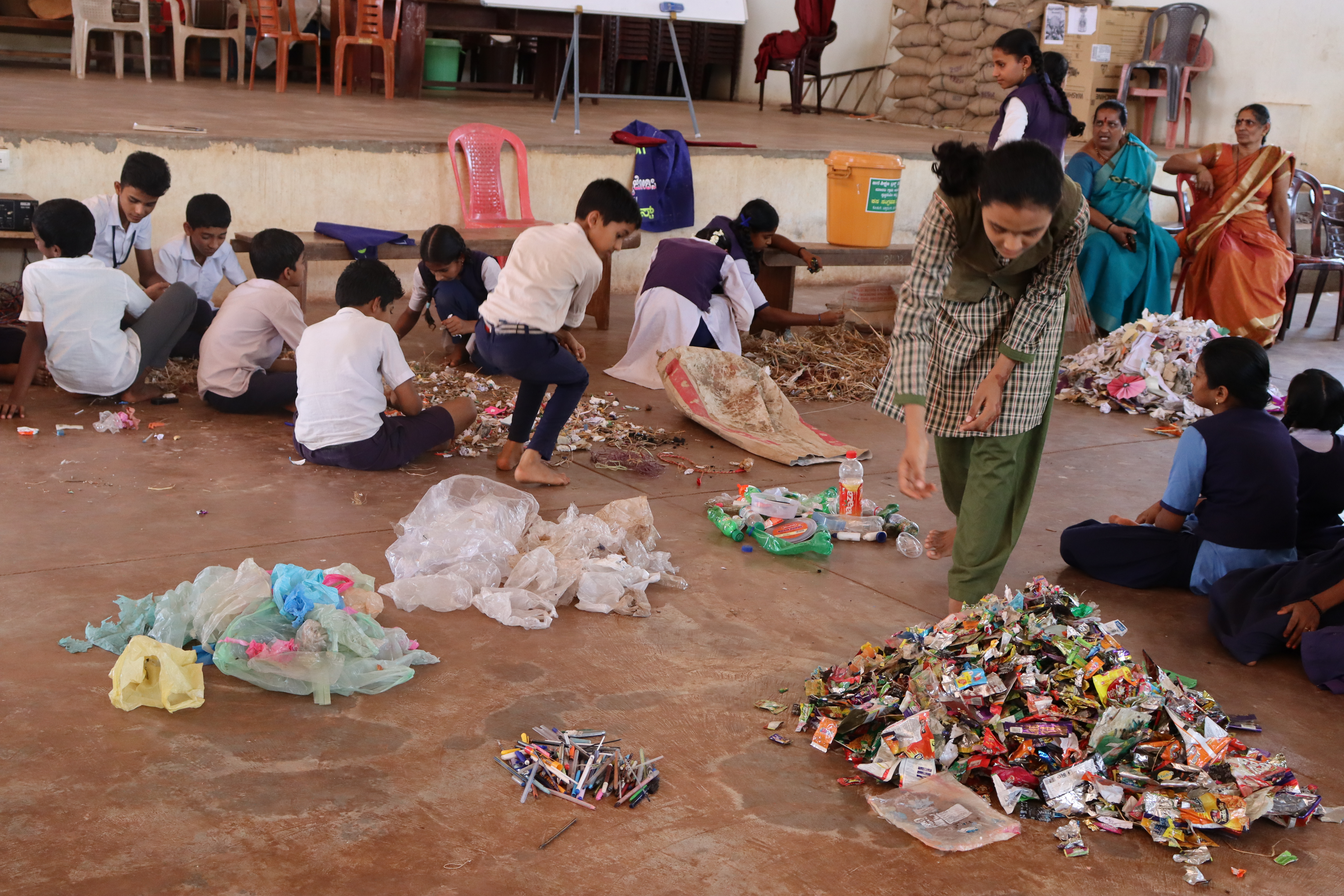
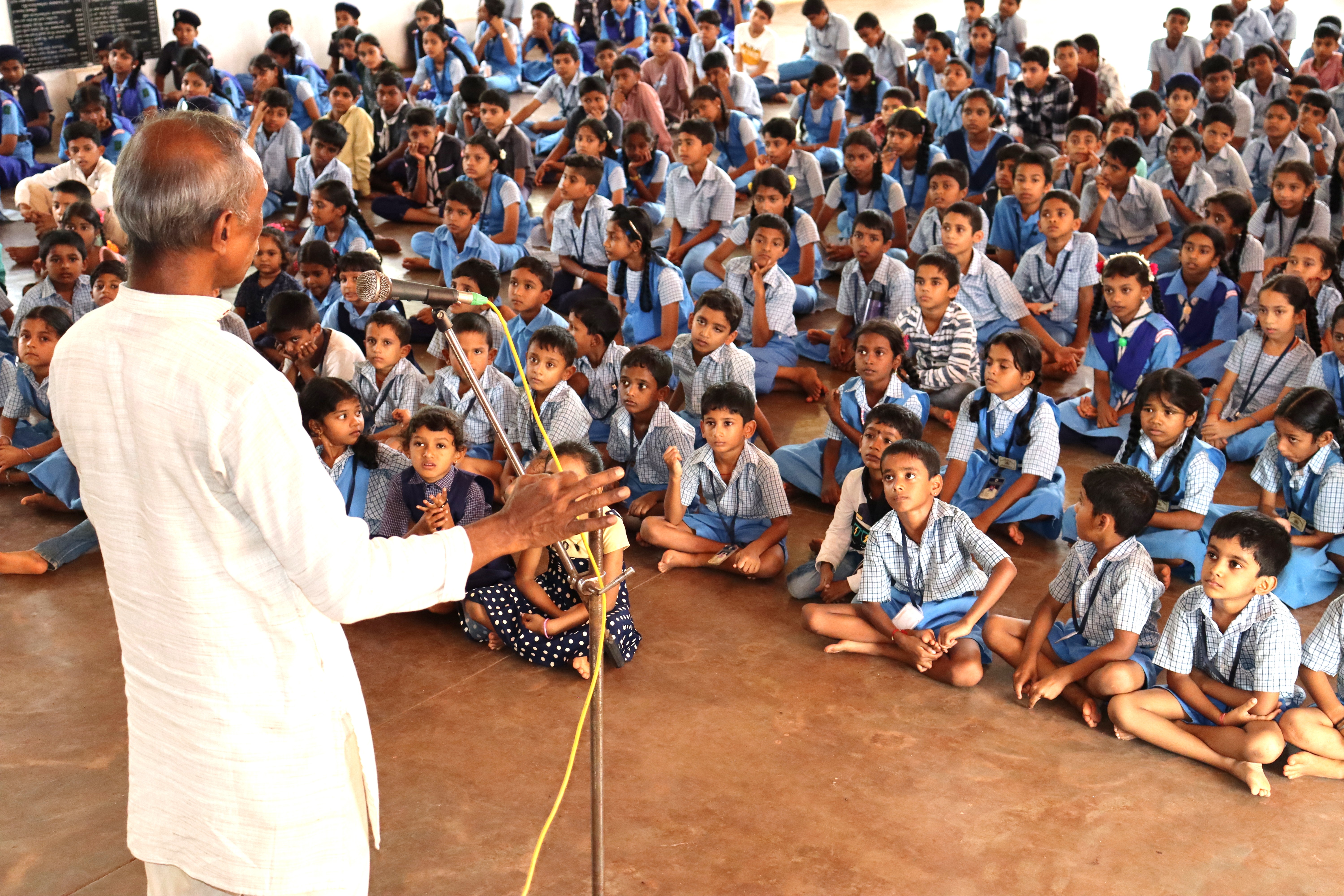
In this context, JST has been working continuously for over one and a half decades to change people’s attitudes toward waste management. Activities such as awareness programmes in schools and communities, training sessions on waste segregation, capacity-building for sanitation volunteers, Shramadan (voluntary labour to collect waste littered along roadsides), and household-level meetings are being conducted continuously.
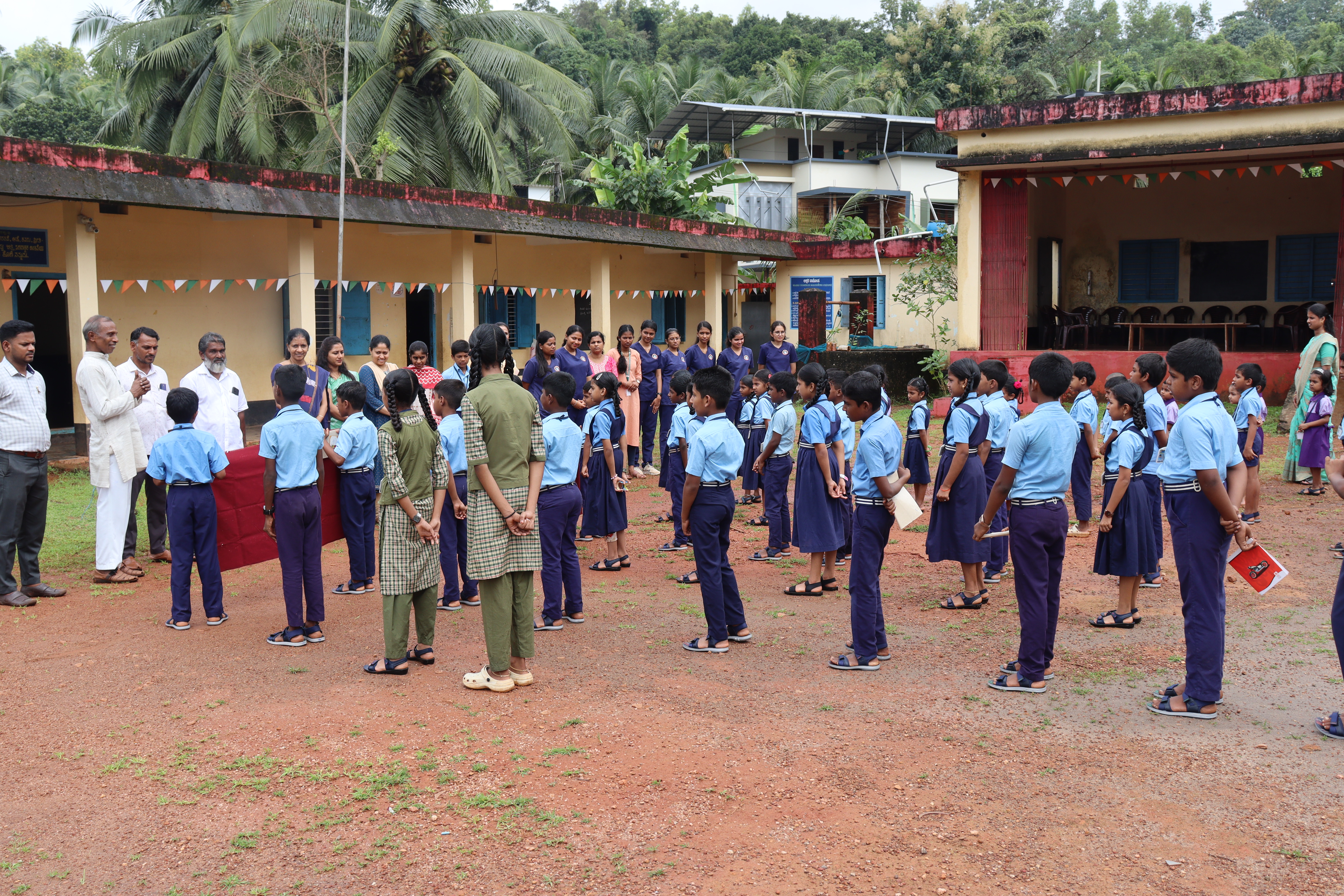
The school awareness programme has been strategically designed with a ripple effect in mind—empowering teachers to influence students, who, in turn, carry the message home to their families and ultimately to the larger community. This approach has proven to be highly effective in fostering a culture of sanitation and environmental responsibility from an early age.
As part of this initiative, students and people are also actively promoting the submission of Self-Declaration Forms—developed by JST—to local governing bodies. These forms serve as formal affirmations by households of their commitment to maintaining cleanliness standards.
Health
“Health is the greatest wealth”
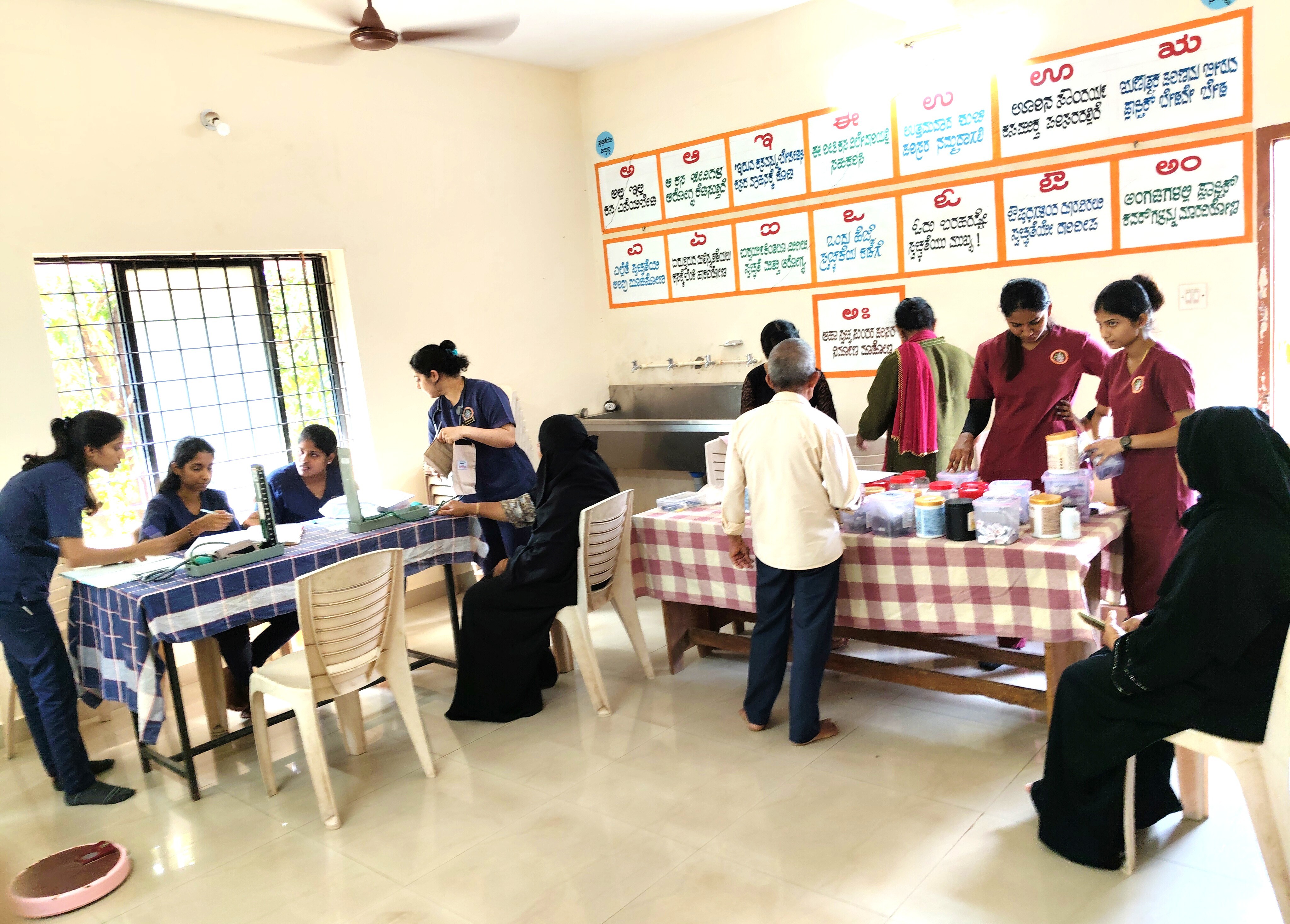
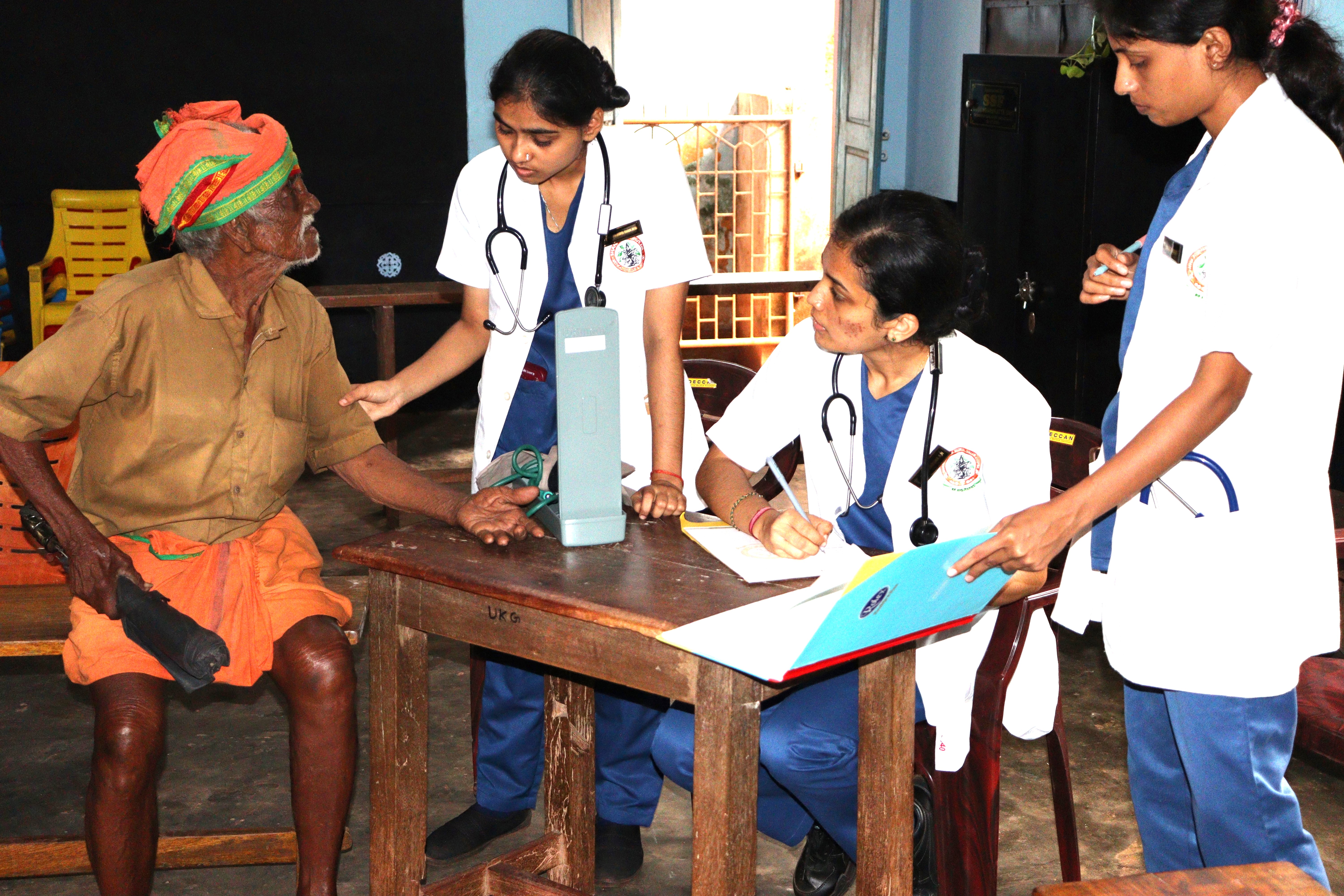
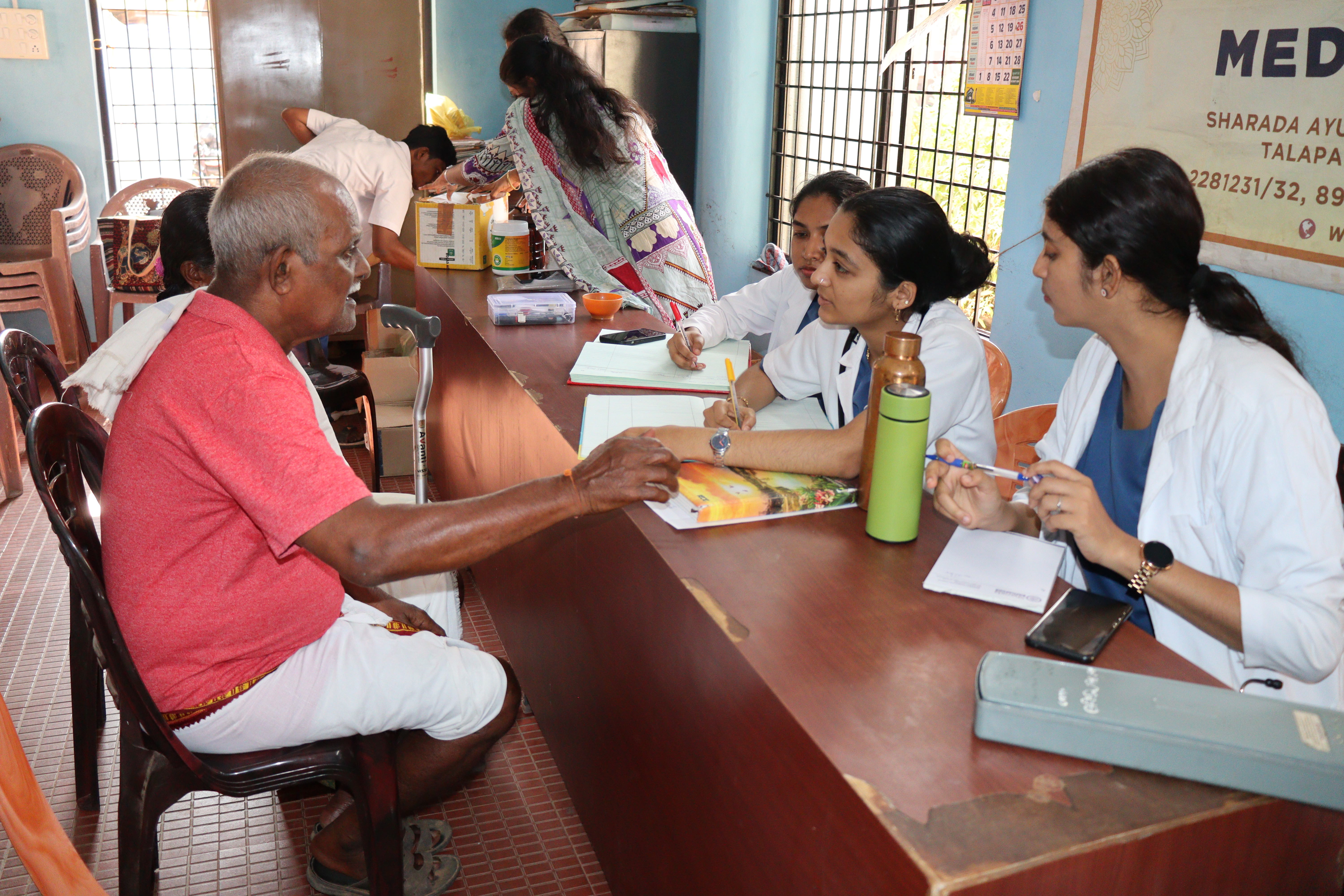
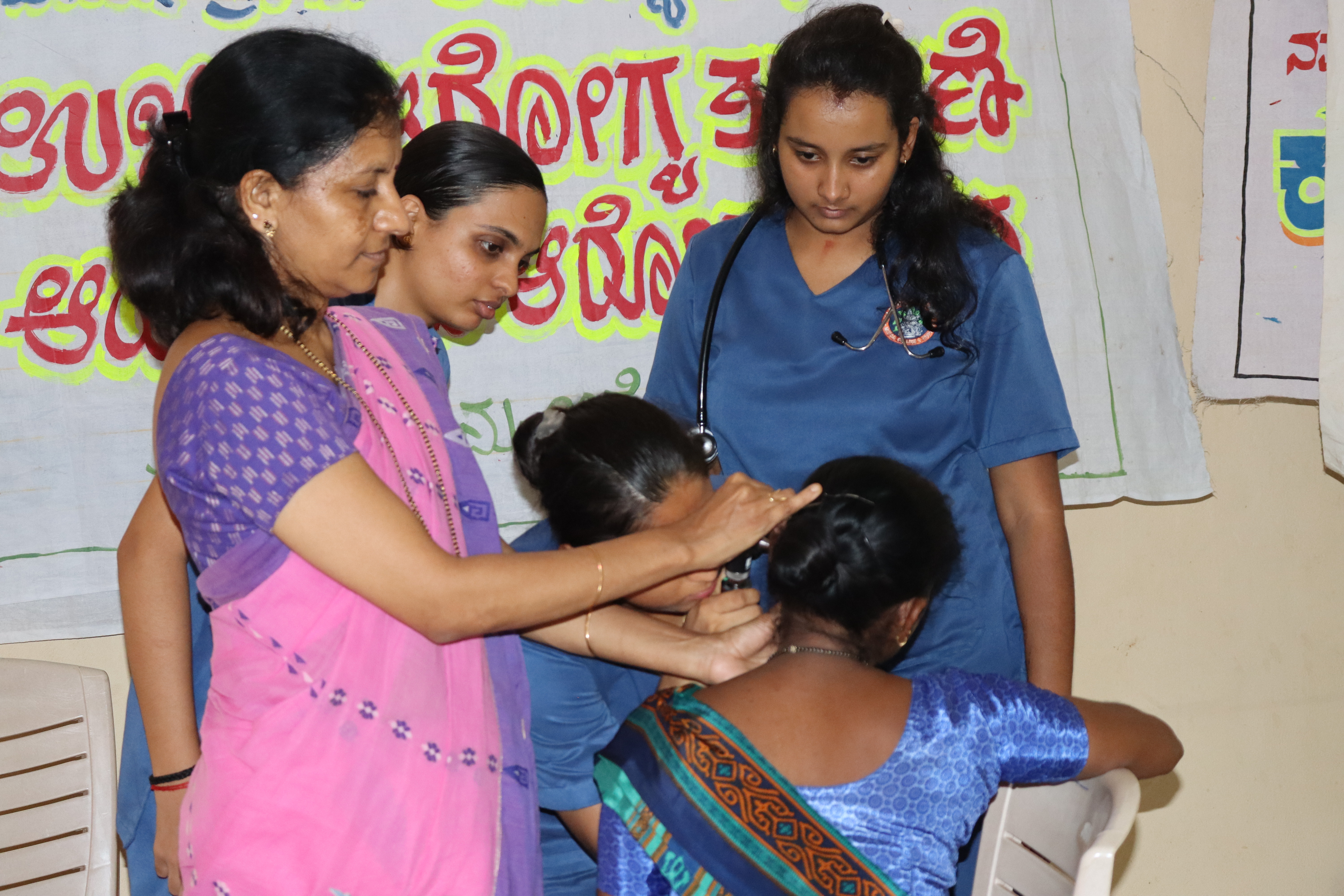
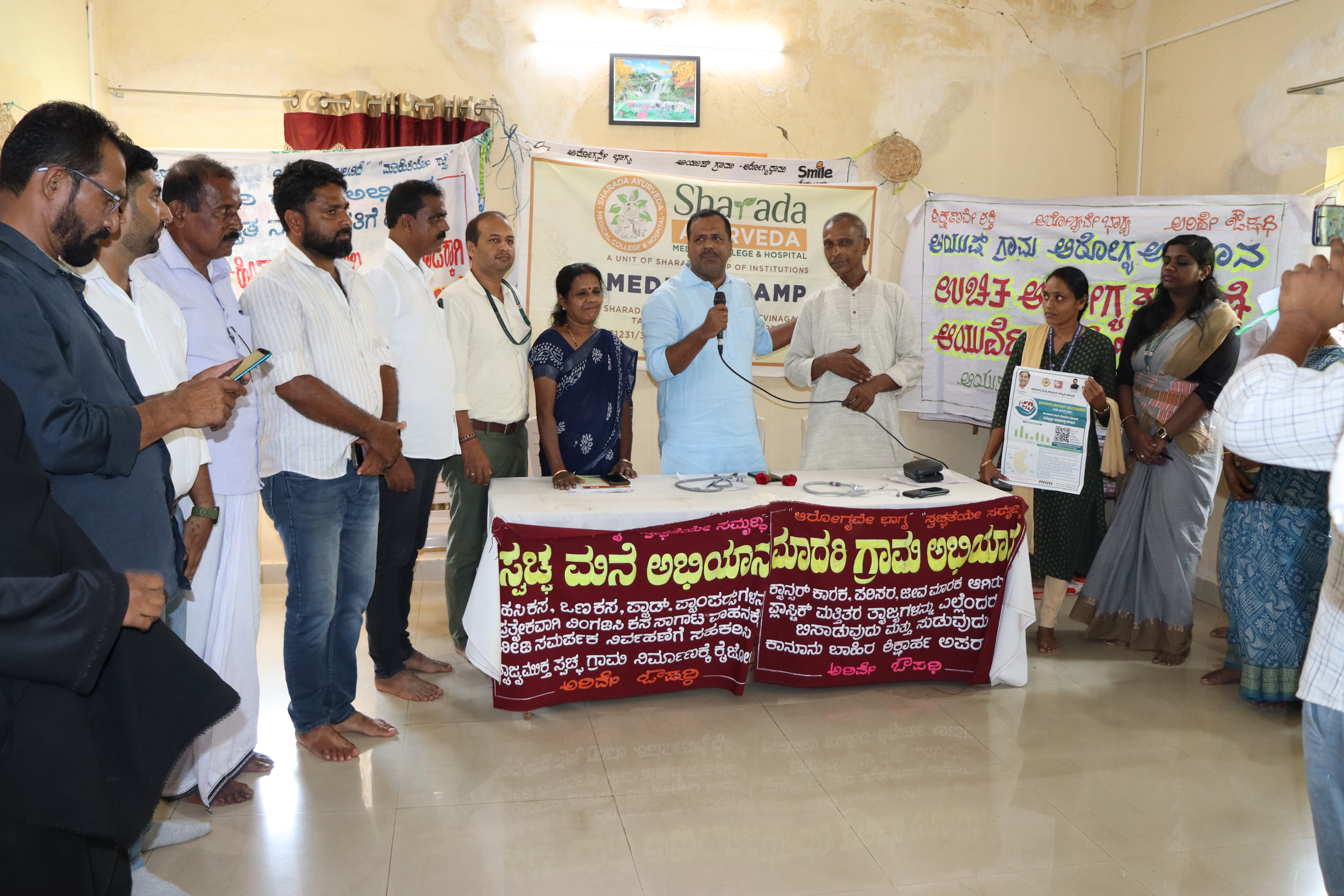
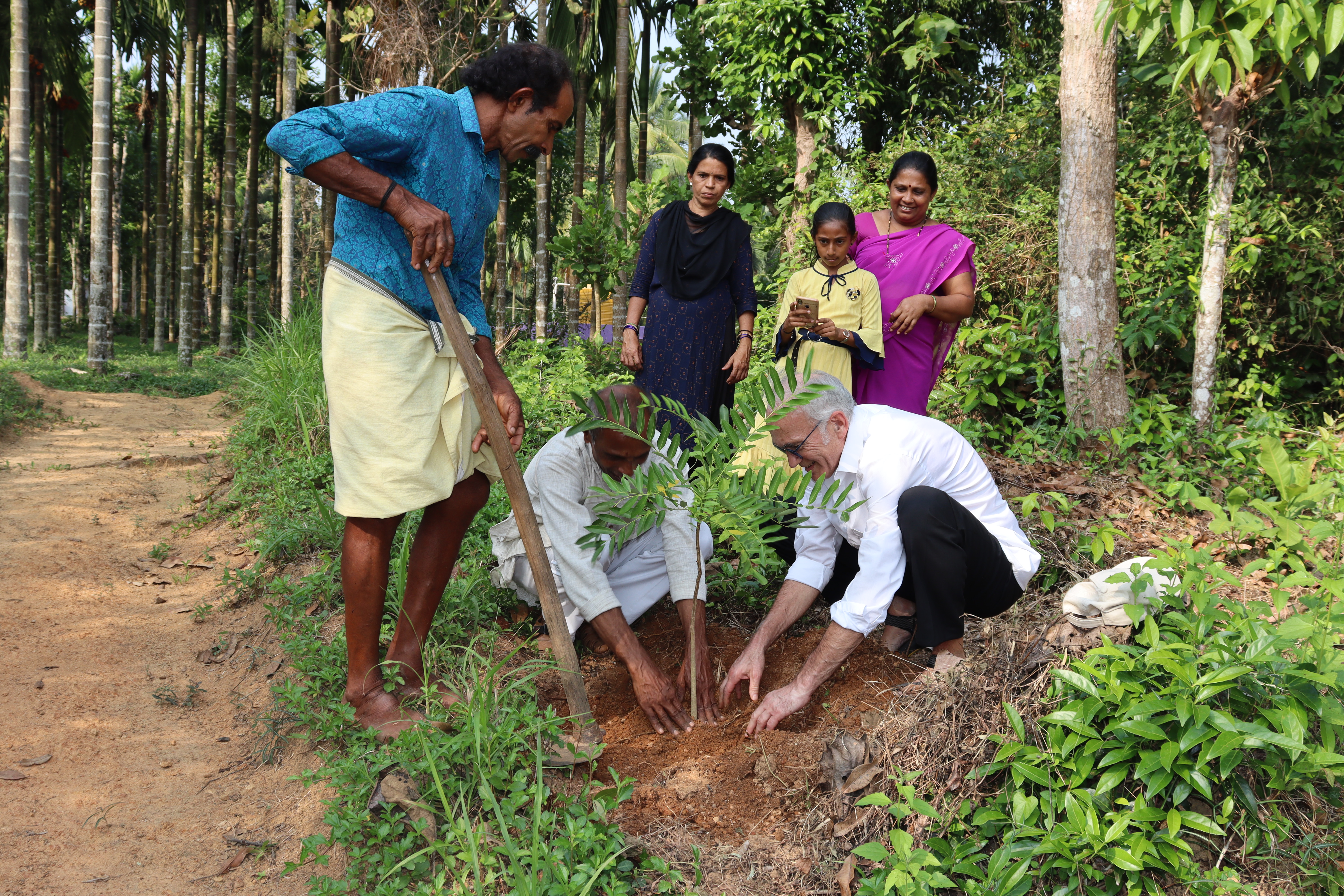
In accordance to SDG -3 to ensure healthy lives and promote well-being for all age groups, JST has initiated a campaign titled “AYUSH grama arogya abhiyaana” (Village health campaign) for improving the health of the people by encouraging alternative traditional medicinal practices. Under this campaign, health education and awareness, health check and treatment, planting medicinal saplings, awareness on menstrual hygiene, prevention of drug addiction, eye test camps for the eye care of school children etc are being conducted in collaboration with Sharada Ayurveda Medical College & Hospital, Helth & Family Welfare and AYUSH department.
Environment Literacy
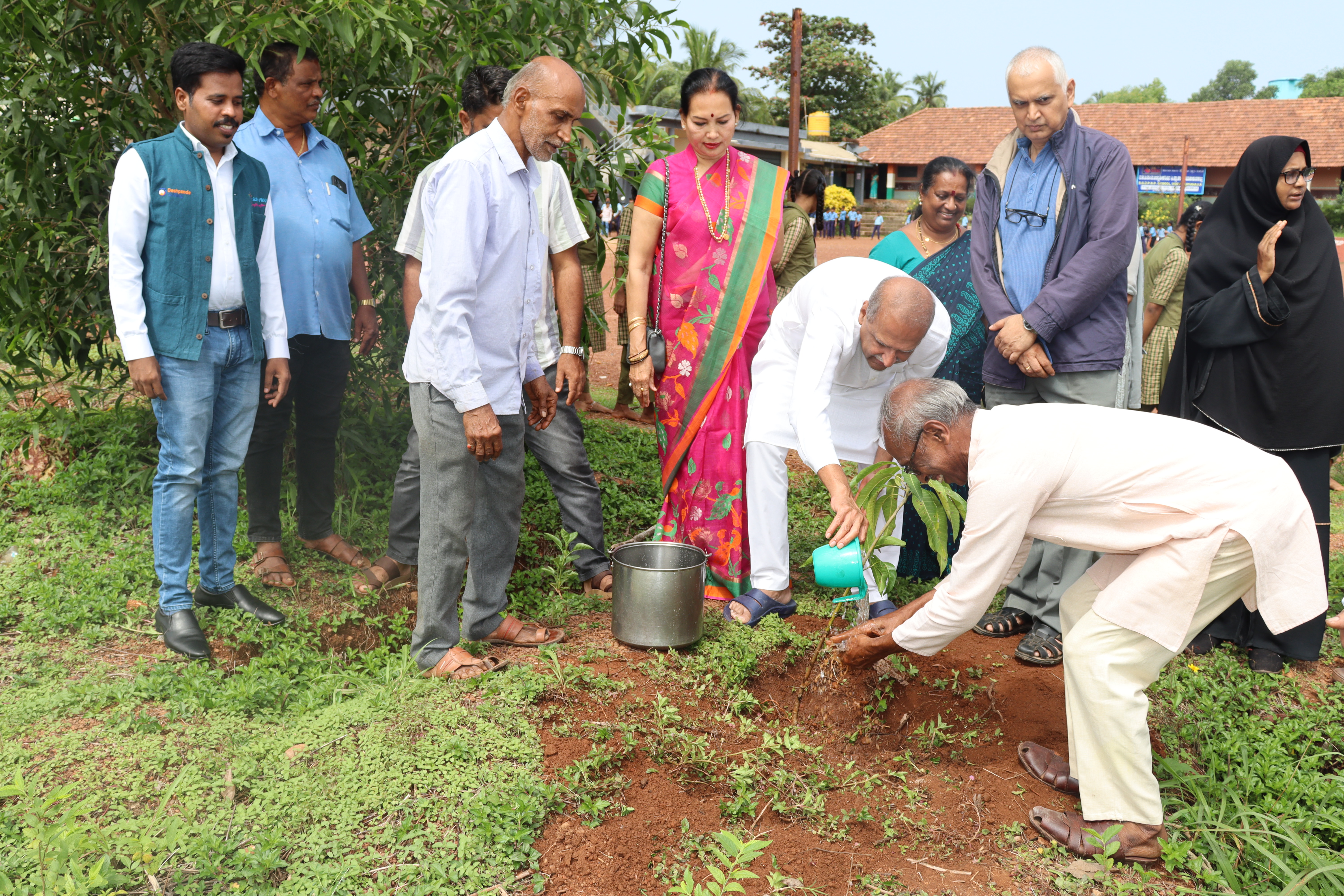
The Greening Campaign is also one of the core initiatives of JST. As part of this effort, JST has been actively working to educate and motivate villagers to reduce soil, water, and air pollution by minimising plastic use. In addition to promoting the proper disposal of waste, the campaign also focuses on planting fruit-bearing saplings along roadsides, vacant plots, and in and around schools, pre-school centres, and individual properties, with the aim of restoring the deteriorating greenery.
A nursery training unit has been established in the JST’s premises to encourage and train local residents in raising saplings for planting. 5,000 saplings were successfully raised in this unit and distributed for planting in individual properties and public spaces.
Vermi compost training
To encourage the people of the area to adopt organic farming practices and use organic manure, a vermicomposting training unit has been established at JST.
Solar Campaign
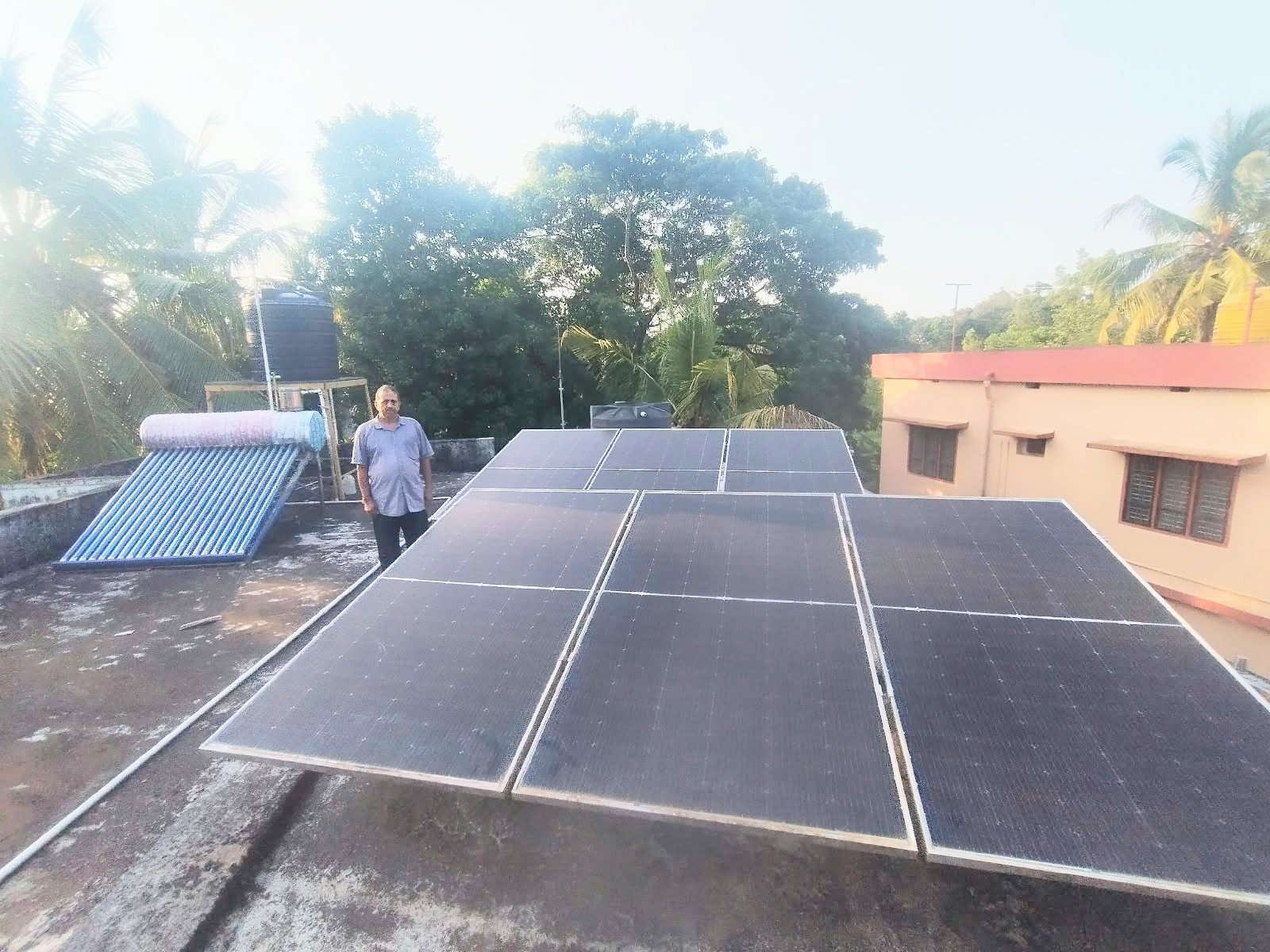
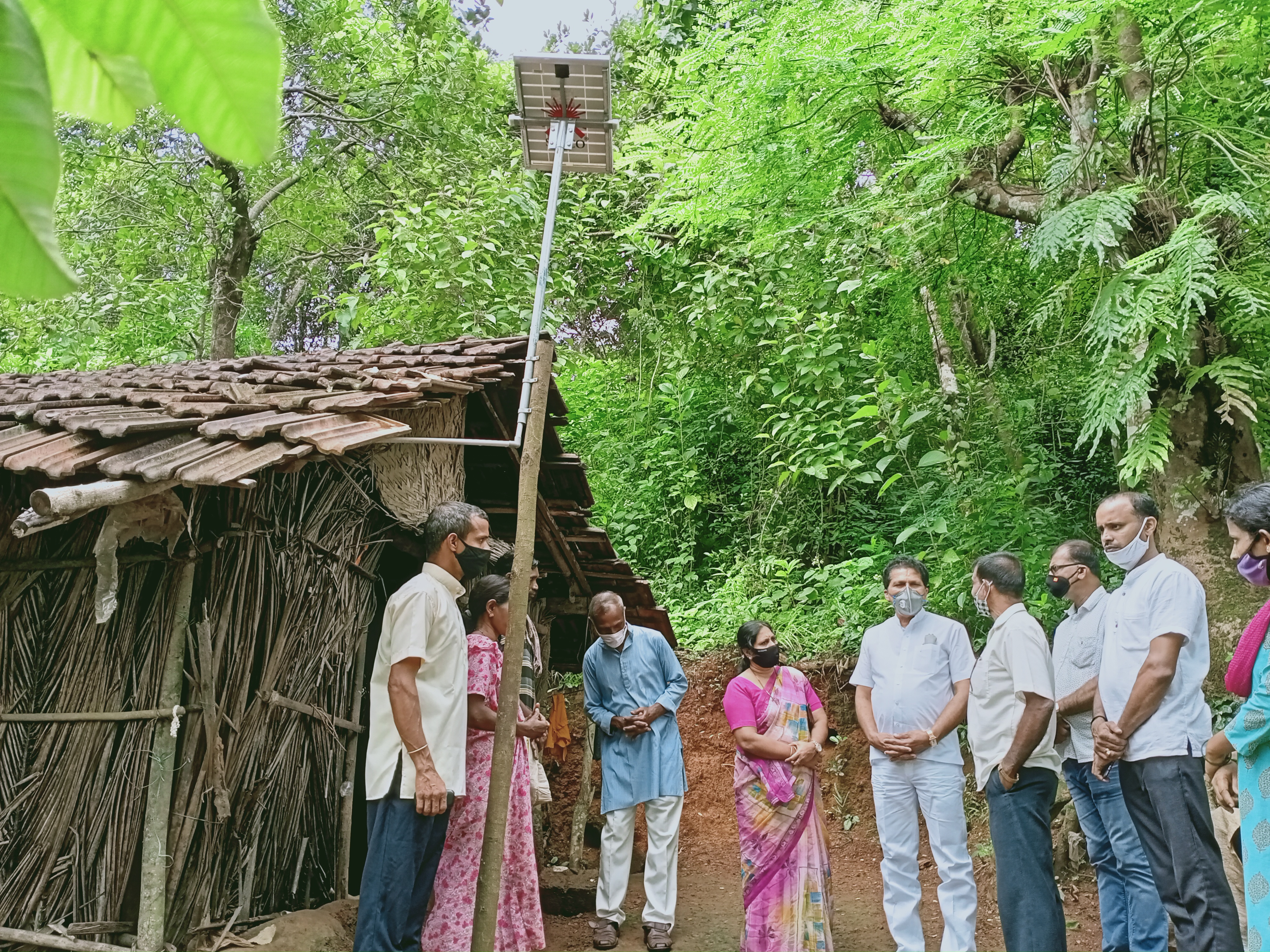
Aimed to motivate people to opt Eco-friendly sustainable solar energy to meet their energy needs and achieve self-reliance in energy, solar campaign was started by the JST with the support of SELCO Foundation during the year 2016. This campaign is now emerged as a people led movement and helping to meet the energy needs in livelihood promotion of the marginalised and enhance their income, build capacity and preserve environment through sustainable energy thus better climate, income and descent living.
5LED Screens to Govt. Schools
159Lights & Fans to Anganwady Centres
4Surya Ghar
200+Home Lighting Systems
Santhwana – Women Help Line Centres
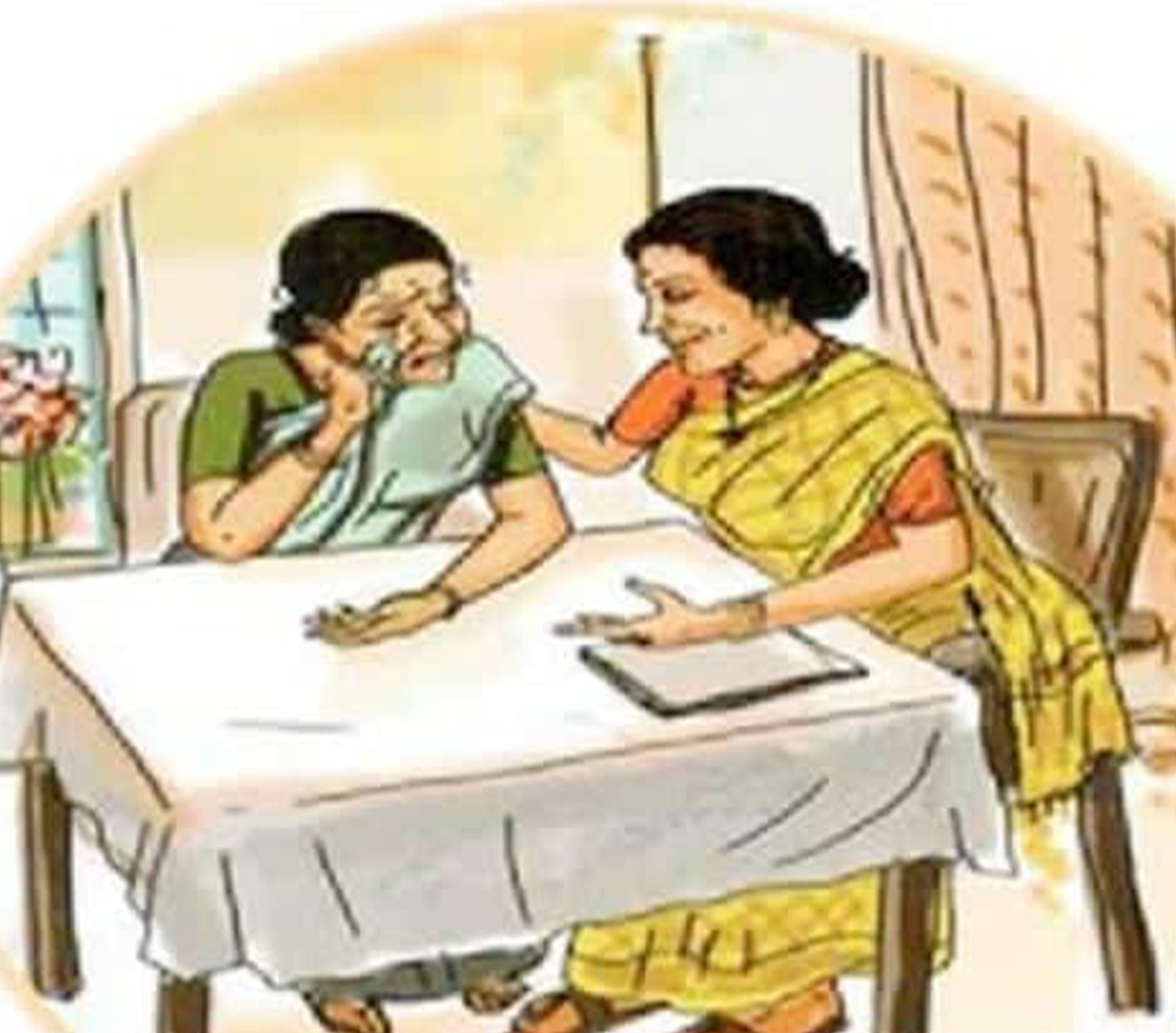
JST runs two Santhwana Centres - women helpline in Putturu and Batwala taluks with the grant-in–aid from Women and Child Development Department. These centres work round the clock and provides counselling services and support for women in difficult situation by attending the calls received through the toll-free telephone service provided from government and women who come directly seeking help from the centre.
3,528Helped to restore family relation
37,576+Reach through “Santhwana towards community” (Information and awareness programs)
Water Literacy
Water has been one of the most important parts of the civilisation, not only in the present modern world, but also from time immemorial. In the resent times due to increase in Urban population & unscientific exploitation of fresh water resource, availability of potable water for human consumption is reducing and will be one of the biggest challenges of our society is going to face in future. Conservation of fresh water and harvesting rain water are the immediate measures for sustainable development.
Though we cannot undo the damage, certainly we can reverse the trend. Daksina Kannada district gets highest rain fall every year. But people face severe water shortage during summer. This is mainly because of lack of awareness on water resource management.
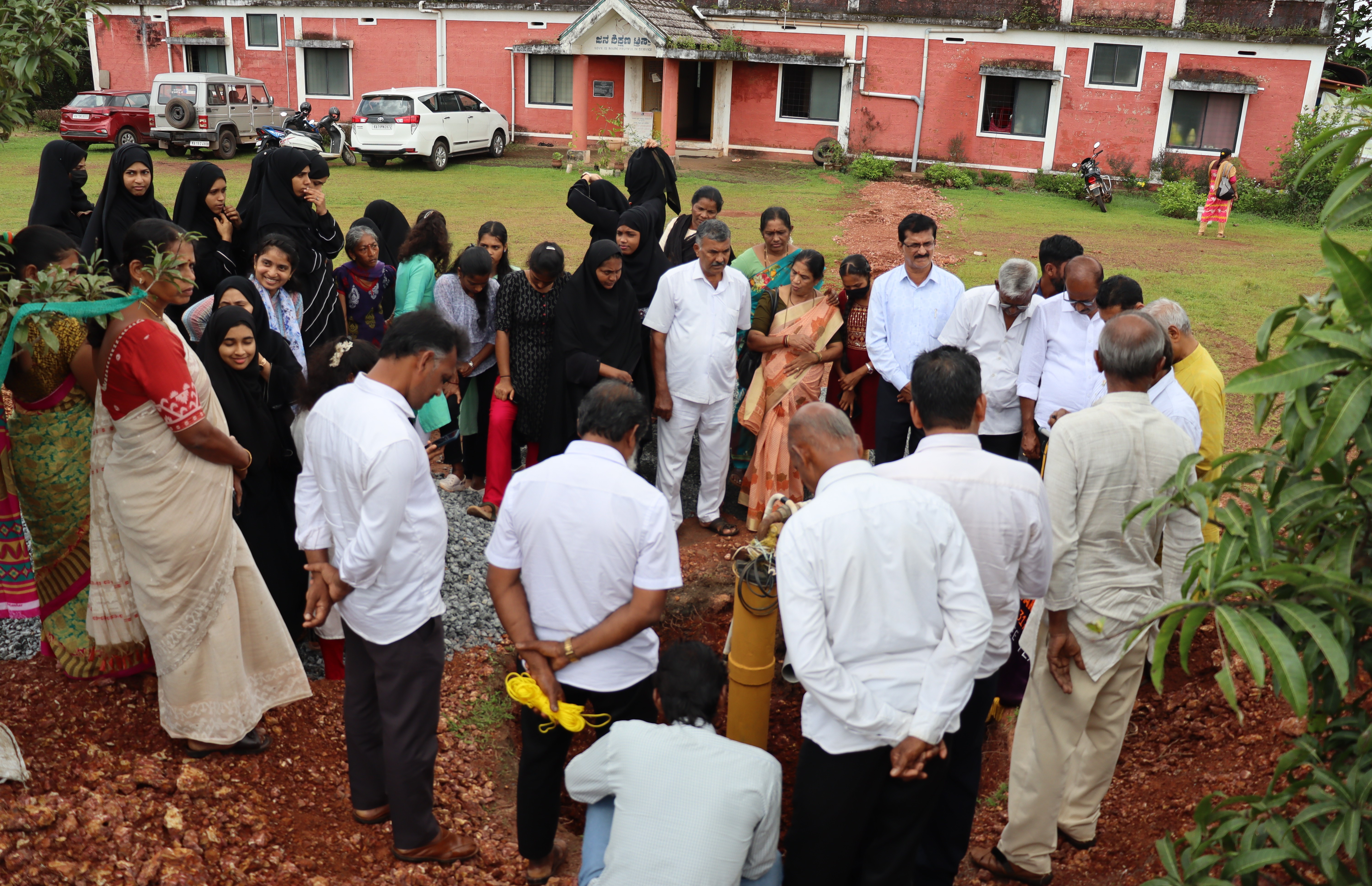
In this background JST has been working to educate people about the need of conservation and proper management of water and optimum use of rain water through encourage people to go for individual open wells, recharge bore wells & open wells from rain water, digging soak pits, plant saplings.
Constitution Awareness
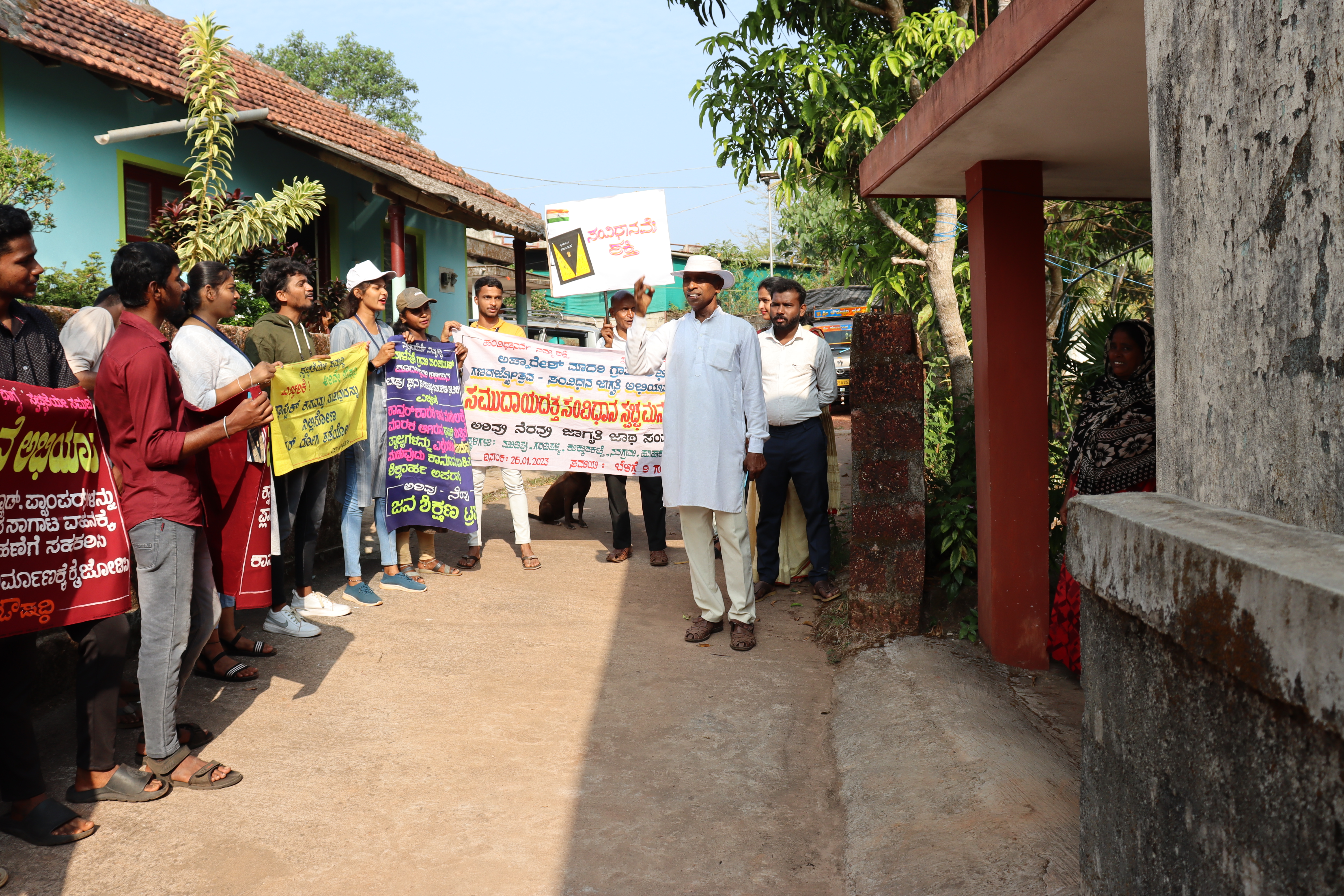
JST’s another important initiative is to facilitating a campaign to create an awareness about our constitution. Its aim is to educate people about the importance of our constitution, inspire people to respect and follow the supreme law of this land and live as per the aspirations of our Constitution. Under this campaign, reading and understanding of Indian Constitution was regularly practised in JST’s Smile Skill School and distributed 10,000 + “Samvidhana Vodu” (Read Constitution) book written by Justice Nagmohan Das to the house holds participated in the awareness programs.
Voter Awareness
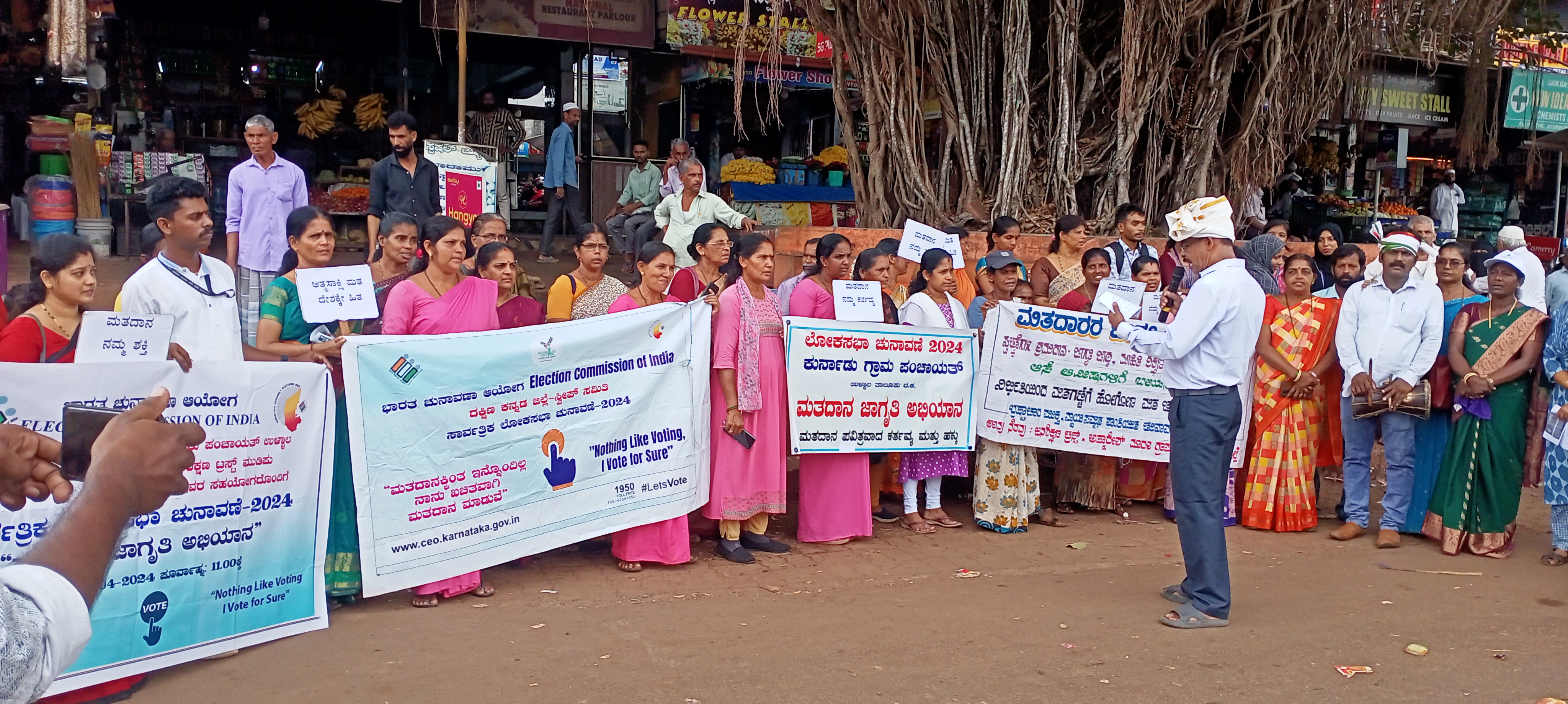
Aimed at sensitising voters and increasing voter turnout during every election. JST has been organising voter awareness campaign for the past 30 years in collaboration with the district administration.
Awareness is being created through distribution of hand bills, conducting rallies, singing inspirational songs and raising slogans. In fact, the following slogans coined by JST has drawn wide attention:
“Mathadana Namma Hakku-Chalayisona” (Voting is our right – let’s cast)
“Mathadana Namma Karthavya- Nirvahisona” (Voting is our duty – let’s do it)
“Mathadana Namma Javabdari” (Voting is our responsibility – let’s deal with)
“Swaccha Matha – Athmakke Hitha” (Clean vote - is good to conscience)
“Athmasakshi matha - Desahkke Hitha” (Conscience vote – is good for nation)
“Mathadana - Praja Prabhuthwada Prana” (Vote is the life of Democracy)
“Jagrutha Mathadara – Praja prabhthwada Nethara” (Enlightened voter is the leader of democracy)
Local Democreacy
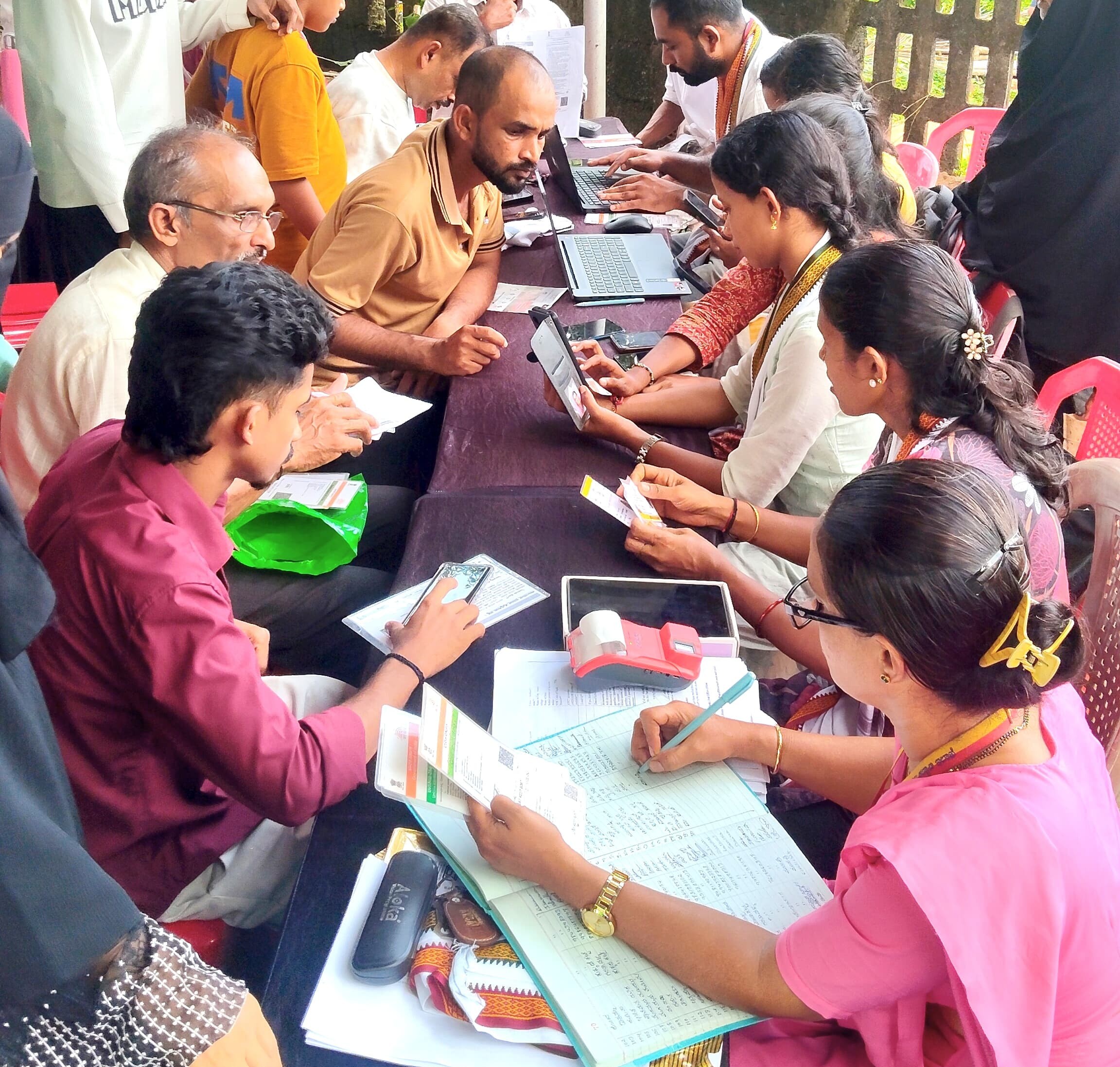
Good governance at local level can be experienced only when every voter, ward and grama Sabha’s are empowered. In this background with the support of Azim Premji Foundation, JST has initiated a “grama swaraj abhiyan” from January 2026 in Naringana and Balepuni Grama Panchayaths of Ullala Taluk and Bannuru Panchayath of Putturu Taluk consisting 6 revenue villages. During 2 years, in the first phase of this project, work will be carried out to improve access to basic government documents and welfare schemes.
Accordingly, a baseline survey of 4200 households has been conducted for the identification of exclusions from basic documents such as AADHAR, Birth and death certificate, Caste certificate, Labour card etc and 5 schemes – VB G RAM G, ration, pension- old age, widow, disability, ABHA, PM Kissan etc. It’s targeted to cover 90% of the individuals/households excluded from these basic documents by the end of this project.
Eventually, enlightened individuals and empowered local institutions should collectively work to promote health, improve the economic condition of the marginalised, prevent pollution of soil, water and air, empower habitation, ward and “grama sabha’s”, waste free, violence free, drugs free clean-green model villages in the real sense.